
It started with a word I didn't know: copy.
I studied English literature at the University of Calcutta, and writing was the one thing I knew I was good at. My first job was at Swiggy, writing the replies that went out from its social handles.
My manager kept calling my sentences copy. I didn't know why, so I looked it up, and found out that copywriting was a craft of its own in marketing. I took a short course to sharpen how I thought about it. Marketing was never the plan. I fell into it, and stayed because the work made sense to me.
Then I found the system behind the message.
At Zymrat, a lean fitness brand, I worked closely with the CEO and wrote everything: the website, social posts, product pages, emails and WhatsApp messages. Every email went from me to a designer to the CEO, who set it up on Omnisend and sent it.
One day he showed me how to send it myself. Inside the tool I found the automations, the journeys that reach the right customer without anyone pressing send. That was my first taste of retention. Writing the message was one job. Building the system that delivers it was a bigger one, and I wanted it.
Then the number was mine.
At MyGate I first worked on CleverTap, selling third-party services like airport cabs, home services and diagnostics to residents inside the app. You can see that work in the MyGate case study.
At Healthify I ran CRM, and the revenue from my push notifications, WhatsApp messages and in-app journeys was a number I owned. The win-back and in-app funnel case studies come from that time.
At Amplicomm I set up CRM as a service and ran it for several brands at once, with a team. More brands meant more numbers to own and more people to mentor.
Then I went back to Healthify to lead the whole ecommerce business for Healthify Store alongside CRM, which is where the repeat purchase work sits. I've also consulted for Cumin Co, a premium cast iron cookware brand, leading retention on MoEngage, covered in the Cumin Co case study.
Why Compound Lab exists.
Most brands I saw had two ways to run retention, and both leaked. A performance agency takes it on as an add-on, and it turns into a broadcast now and then. Or the brand hires: a junior who still needs someone senior to direct them, and a CRM lead who is good at the plan but not at building it. That's two salaries for one job done halfway.
I started Compound Lab so a brand gets the senior thinking and the hands-on building from one place, for less than that team would cost. I've written about that choice in who should run retention for your D2C brand.
Reading customers like characters.
Literature taught me to read a character: what they want, what they expect, what they'll do next. I read customers the same way. A first-time visitor, a lapsed buyer and a loyal regular are three different people, and they need three different conversations.
It's also why I work across both sides. I can look at a creative, fix the copy, and decide who should receive it. In most teams that's three people's jobs. Holding all three makes it easier to mentor a team, and harder for a campaign to go out wrong.
The leak starts on day one.
Acquisition keeps getting more expensive, so the only way to stay profitable is to earn that cost back over a customer's lifetime. Most founders know this. Where they slip is timing. They spend on bringing people in, then treat retention as something to switch on once they have enough customers.
By then the leak has been running from the start. Visitors who came and left were never captured. First-time buyers were never nudged toward a second order. Each of them is acquisition spend that never came back.
Capture a visitor, and what that customer cost you drops. Bring them back for a second order, and it drops again. By the third, a loyal customer is paying for the ones who never returned, before you count loyalty and referrals. That's why I'd rather a brand start early than start big.
Outside work.
My day starts at the gym, almost every day. When I travel, it's usually to the mountains. Sundays are for friends and conversations about everything except work. I used to play volleyball, and I still miss it.
Questions about me.
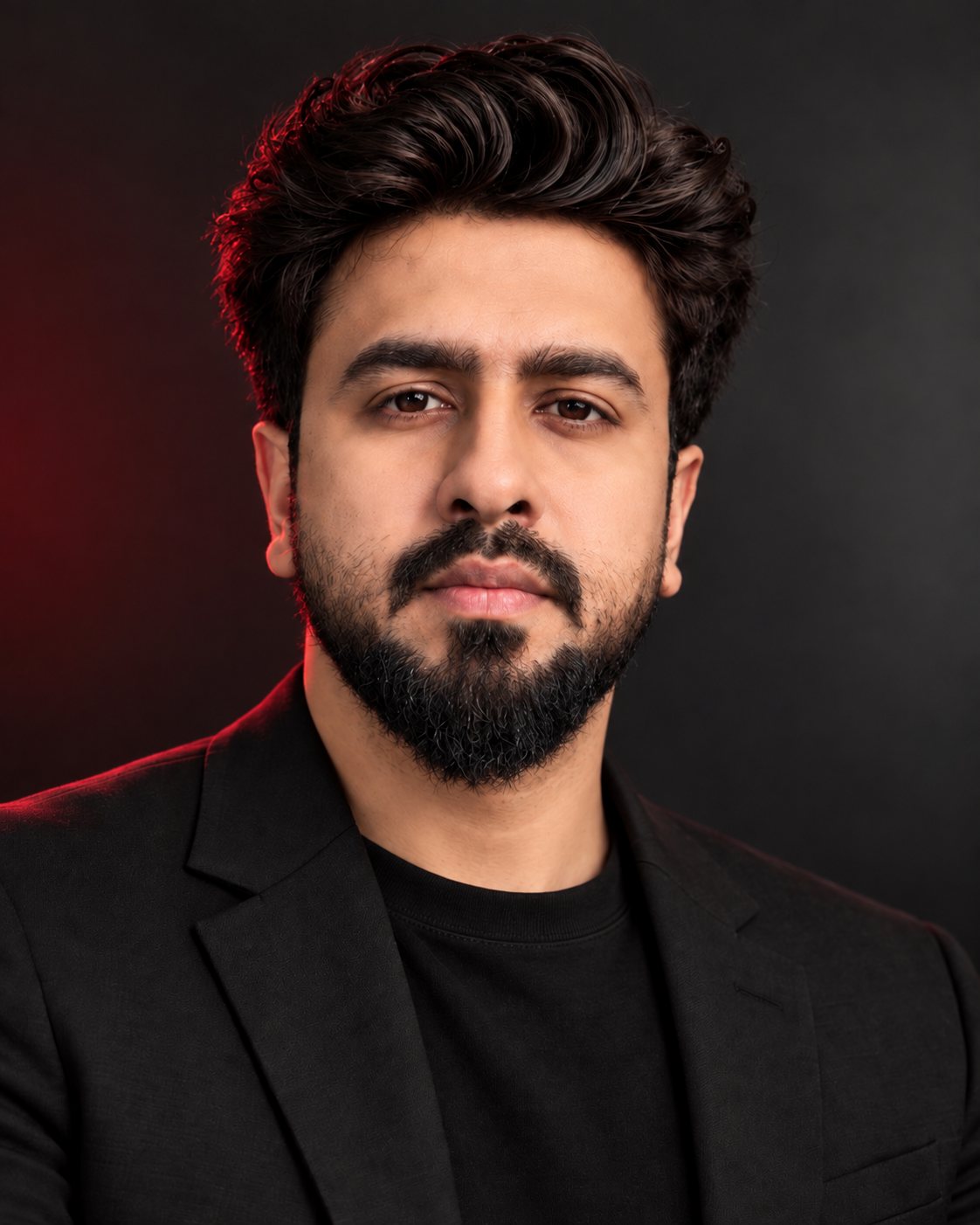
Who is Raviraj Ramavarapu?
Raviraj Ramavarapu is the founder of Compound Lab, a retention agency in Bengaluru for D2C brands and consumer apps. He has led CRM and ecommerce at Healthify, built CRM systems for several brands at Amplicomm, and consulted on retention for Cumin Co.
What did Raviraj study?
English literature, at the University of Calcutta. He started his career writing copy at Swiggy before moving into CRM and retention.
How can I work with Raviraj?
Book a 30-minute consultation through this site, or write to raviraj@compoundlab.in. Every Compound Lab account is run by him directly.
Elsewhere